




Child Psychology: A Parent’s Guide to Supporting Emotional and Developmental Wellbeing
- Claire Cashman
- Jul 18
- 12 min read
Updated: Jul 23
Yesterday afternoon, you found yourself standing in the supermarket aisle as your seven-year-old had a meltdown over a cereal box. As other shoppers glanced your way, you felt that familiar sting of judgement and wondered if this was just a difficult phase or if it was time to look into child psychology. It's completely normal to feel overwhelmed and unsure whether your child's behaviour is a standard developmental milestone or a clinical issue. Most parents worry they'll be blamed for these challenges when, in reality, every family faces unique hurdles that often require a steady, expert hand.
This guide will help you understand how to support your child's developmental journey with confidence and clinical clarity. You'll learn how to recognise the specific signs that your child may benefit from professional intervention and how to navigate the clinical psychology process in Australia. We'll walk through the practical steps to obtain a Mental Health Treatment Plan for Medicare rebates, ensuring you feel reassured that seeking help is a positive, proactive step for your family's long-term wellbeing.
Table of Contents
What is Child Psychology? Understanding Your Child’s Internal World
How to Recognise When Your Child Might Need Professional Support
Choosing the Right Clinician: Clinical Psychology vs. General Counselling
The Clinical Process: What to Expect During Your Child’s First Sessions
Taking the Next Step: Accessing Evidence-Based Care in Australia
What is Child Psychology? Understanding Your Child’s Internal World
When you look at your child, you see a complex, rapidly changing individual. You witness their joy, their frustrations, and those quiet moments of wonder. At its core, child psychology is the clinical study of these mental, emotional, and social developments. It's a specialised field that seeks to understand the "why" behind a child's actions. While many people associate psychology with fixing a problem, it's actually about understanding the intricate dance between a child's internal thoughts and their externalised behaviours. By exploring this internal world, we can help children build the resilience and healthy coping mechanisms they need to thrive as they grow.
It's vital to remember that seeking professional support isn't a sign of parental failure. On the contrary, it's a deeply proactive way to honour your child's wellbeing. Much like taking a child to a paediatrician for a persistent physical cough, consulting a psychologist for emotional or behavioural hurdles ensures they have the right foundation for the future. This field is closely linked to the broader study of Developmental Psychology, which maps the predictable and unique ways humans change from birth through to adulthood.
The Scope of Clinical Child Psychology
Clinical practitioners look at the whole child rather than just a list of symptoms. This means we consider how a child's environment, including their school life and family dynamics, influences their emotional state. There is a distinct difference between normal developmental milestones and clinical concerns. For example, while most toddlers experience separation anxiety, a ten-year-old who cannot attend school due to fear may require a clinical perspective. We examine how a child processes information, manages their big feelings, and interacts with their peers to create a stable anchor for their growth.
Why Early Intervention Matters in Australia
In Australia, there is a strong and growing emphasis on mental health during the early years. We know that half of all adult mental health challenges begin before the age of 14, which makes the window of childhood incredibly precious. Addressing a small worry now can prevent it from blossoming into a more complex issue during the turbulent years of adolescence. Early intervention is a preventative strategy designed to foster long-term mental health by addressing developmental challenges before they become entrenched. Even outside of local contexts, you can discover Jumpstart Learning Academy to see how structured readiness programs provide a vital foundation for school. By providing support early, we give children the tools to manage stress, build social confidence, and maintain a sense of quiet strength as they move through life's inevitable ups and downs.
As children grow and hit these milestones, capturing their achievements in school and sports through Festival City Photography can provide a tangible way to celebrate their social development and build their self-esteem.
How to Recognise When Your Child Might Need Professional Support
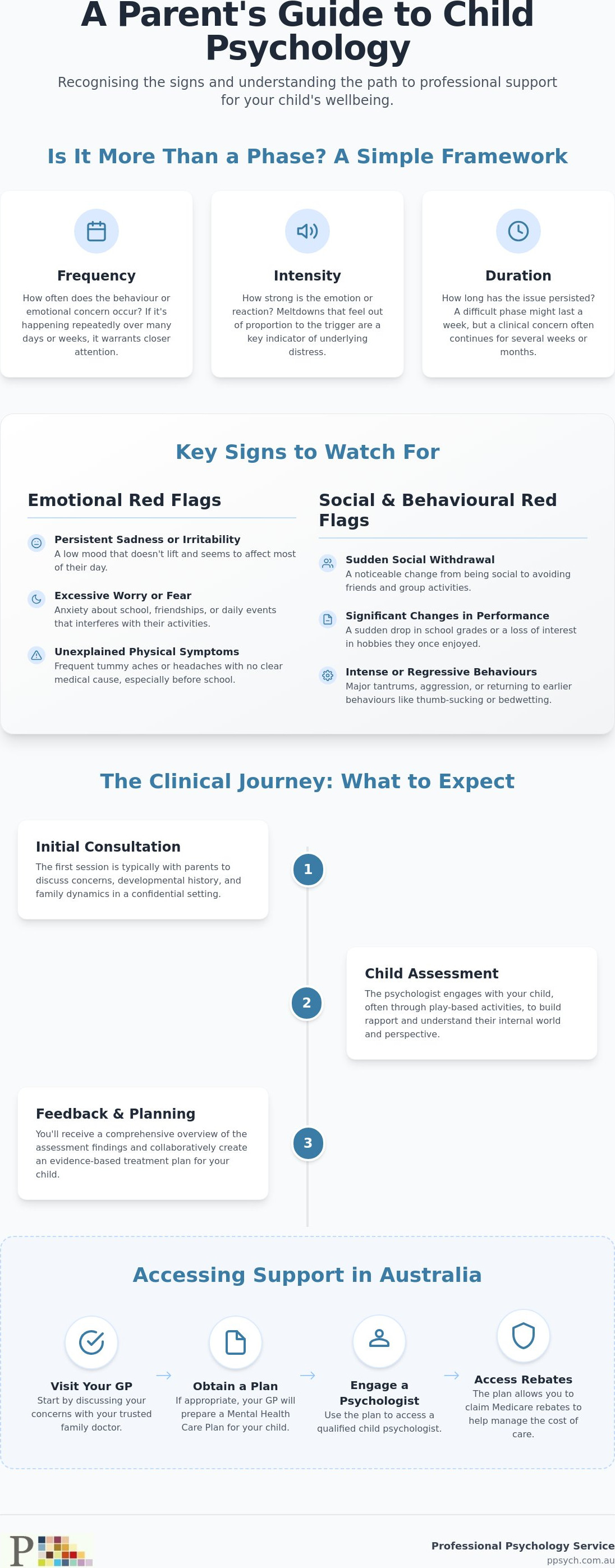
Every child experiences "off" days. Tantrums, mood swings, and periods of defiance are often standard parts of growing up. However, many parents find themselves lying awake at night wondering if their child's current struggle is a passing phase or something more significant. In the field of child psychology, we use a simple but effective framework to help parents determine if professional support is necessary. We look at the frequency, intensity, and duration of a concern. If a specific behaviour or emotion occurs often, feels very intense, and has lasted for several weeks or months, it is usually a sign that your child needs a helping hand to navigate their internal world.
Providing a secure and stable physical home is another way parents support their children's emotional growth; for those navigating the real estate market to find that ideal environment, you can find out more about how Gregg Perrah | FirstTeam Real Estate offers expert guidance for residential sales.
Emotional signs can be subtle or quite loud. You might notice a persistent cloud of sadness that doesn't seem to lift, or excessive worry about everyday events like school or playdates. Sometimes, these internal struggles manifest as physical symptoms with no clear medical cause. Frequent tummy aches, headaches, or a general sense of being "unwell" before school are common ways children express psychological distress. When a child's emotional state begins to interfere with their ability to enjoy life, it's a clear indicator that they may benefit from a clinical perspective.
Emotional and Social Red Flags
Social interactions are a cornerstone of healthy Early Childhood Development. While some children are naturally more introverted, a sudden withdrawal from friends or a complete loss of interest in play is a significant red flag. You should also look for intense fears that prevent your child from participating in daily activities. If a child who was previously confident suddenly becomes clingy or expresses a noticeable change in personality, it suggests they are struggling to process their environment. These social hurdles often reflect a deeper emotional need that requires professional validation and support.
Behavioural and Academic Shifts
Behavioural indicators often involve a regression in skills. This might look like a school-aged child suddenly having toileting accidents or returning to "baby talk" and thumb-sucking. You might also notice significant changes in sleep patterns, such as difficulty falling asleep or frequent nightmares. Academically, a sudden drop in performance or a teacher reporting new difficulties with concentration can signal that a child is preoccupied with emotional stress. In cases where a child has experienced a distressing event, specialised trauma and ptsd treatment can be essential for restoring their sense of safety and focus. If you feel uncertain about these shifts, consulting a clinical psychologist can provide the clinical clarity needed to support your family.
Choosing the Right Clinician: Clinical Psychology vs. General Counselling
Selecting a professional to support your family is a significant decision. As you begin your search, you will likely encounter various titles, including counsellors, therapists, and psychologists. In Australia, it's vital to understand that "Clinical Psychologist" is a protected title. This designation is only available to practitioners who have completed a minimum of six years of university training, which typically includes a Master’s degree or a Doctorate. While general counsellors provide valuable support for everyday stressors, a clinical psychologist specialises in the study of child psychology and the treatment of more complex mental health conditions using research-backed methods.
When reviewing potential clinicians, always verify their registration with the Australian Health Practitioner Regulation Agency (AHPRA). You should also look for practitioners who utilise evidence-based modalities, such as Cognitive Behavioural Therapy (CBT). These methods are considered the gold standard because they have been rigorously tested and proven effective. Clinicians with this level of expertise have a deep understanding of Child Development Basics, allowing them to accurately differentiate between a standard developmental milestone and a clinical concern that requires intervention.
The Value of Advanced Training
The depth of a clinician's education directly impacts the quality of care your child receives. A Doctorate or Master's degree provides the framework for a far more nuanced psychological assessment process. This advanced training allows the psychologist to look beyond surface-level behaviours to identify underlying emotional or cognitive patterns. In the Australian clinical landscape, this expertise is essential for treating complex presentations, ensuring that the therapy provided is both safe and effective for young people.
Matching the Clinician to Your Family
While qualifications are essential, the "therapeutic rapport" between the psychologist and your child is equally important. Your child needs to feel safe, understood, and respected for the work to be successful. Many clinical practices, including Thrive Teen Therapy Alberta, offer specialised support for young people and parent-only sessions at the start of the journey. These appointments allow you to discuss strategy and ensure the clinician’s style aligns with your family’s values. A good psychologist acts as a compassionate guide, providing a stable environment where your child can develop the skills they need to navigate life's challenges with quiet confidence.
The Clinical Process: What to Expect During Your Child’s First Sessions
The journey into child psychology often begins with a quiet sense of uncertainty. Understanding exactly what happens behind the clinic door can lower this anxiety for both you and your child. In the Australian clinical pathway, the process is structured to be methodical yet gentle. It typically starts with an initial parent-only consultation. This session is a safe space for you to share your child's developmental history, discuss your current concerns, and set clear goals for the future without the child present. It's an opportunity to speak freely about the challenges you're noticing at home or school, ensuring the clinician has a complete picture before meeting your little one.
Once the background is established, the assessment phase begins. For younger children, this rarely looks like a formal test. Instead, clinical psychologists use play, observation, and age-appropriate formal tools to understand how your child processes their world. We look at how they solve problems, interact with others, and manage their emotions in a low-pressure environment. Ongoing sessions are structured to maintain this sense of comfort, often incorporating resources like those from Balanced Minds Psychology & Wellness to help children learn to label their feelings. They often blend therapeutic games with targeted skill-building, ensuring the child remains engaged while they work through their challenges. Following the assessment, the psychologist provides feedback and creates a treatment roadmap. This plan outlines the evidence-based strategies that will be used to support your child's progress in the sessions ahead.
Preparing Your Child for the First Visit
Explaining the first visit to your child requires a balance of honesty and reassurance. You might describe the psychologist as a "feelings doctor" or a "talking and playing teacher" who helps kids with big worries or tricky behaviours. It's helpful to reassure them that the room is a safe place designed for play and talking, where there are no "wrong" answers. Practical steps can also make a difference. Bringing a favourite comfort toy or a snack can help them feel grounded in the new environment, making the transition into the clinic much smoother.
The Role of the Parent in Therapy
Therapy is most effective when it is a collaborative team effort. While the child is the focus of the sessions, parents are active participants in the treatment plan. You'll often learn specific strategies to support your child’s progress at home, ensuring that the skills they acquire in the clinic are reinforced in their daily life. This holistic approach ensures that the entire family moves toward a state of resilience and stability together. Understanding that therapy is a team effort involving the whole family helps create a consistent environment for the child to grow. If you are ready to begin this collaborative process, you can book a consultation with a clinical psychologist to discuss your family's needs.
Taking the Next Step: Accessing Evidence-Based Care in Australia
Taking the first step toward professional support is a courageous decision that prioritises your family's long-term harmony. In Australia, the pathway to accessing clinical child psychology is well-defined and designed to be supportive. Professional Psychology Service stands as a reliable partner in this journey, offering the expertise of Doctorate-level Clinical Psychologists who are committed to evidence-based care. Whether your child is navigating anxiety, trauma, or complex developmental hurdles, we provide a stable anchor to help you move forward with quiet confidence. You don't have to manage these challenges alone; the Australian healthcare system provides several avenues to make high-quality care more accessible.
While many families choose to fund their sessions privately or through private health insurance, the most common route involves the Medicare system. It's important to note that you cannot claim both a Medicare rebate and a private health benefit for the same session, so it's worth checking with your provider to see which option offers the best support for your circumstances. Regardless of the path you choose, the goal remains the same: ensuring your child has the tools they need to build resilience and emotional health in a safe, professional environment.
Navigating the Medicare Pathway
To access financial assistance through Medicare, your first port of call is your family GP. When you book this appointment, request a "long appointment" specifically to discuss a Mental Health Treatment Plan (MHTP) for your child. This gives the doctor enough time to properly assess your child's needs and prepare the necessary referral. This plan is the key to unlocking significant rebates that help offset the cost of clinical consultations. As of July 2026, the Medicare rebate for a standard 50-minute session with a clinical psychologist is $149.05. This plan allows for up to 10 subsidised individual sessions per calendar year. The process is structured for safety and progress; after the first six sessions, you'll return to your GP for a brief review. This ensures the therapy is effective before the remaining four sessions are released.
Booking Your Consultation
Once you have your referral and MHTP in hand, you're ready to contact a clinic. It's helpful to have your child’s referral details ready and to enquire about current wait times for initial assessments. Don't be afraid to ask about the specific expertise of the clinicians to ensure they're a good fit for your child’s unique personality. Moving from the initial phone call to the first session can feel like a significant leap, but it's a proactive way to honour your child's wellbeing. By choosing a team with advanced postgraduate training, you're providing your child with a stable foundation and the practical life skills they need to thrive. For teenagers, seeking additional inspiration from mentors like
can complement clinical support by offering a practical guide to personal transformation. This is more than just addressing a current issue. It's an investment in a calmer, more resilient future for your entire family.
Empowering Your Child’s Journey Toward Resilience
Supporting your child through emotional or developmental hurdles is one of the most profound investments you can make in their future wellbeing. By understanding the nuances of child psychology and the practical clinical pathways available in Australia, you can move from a place of uncertainty to one of quiet confidence. Recognising the difference between a passing phase and a clinical concern is a proactive step that honours your child’s internal world and provides them with a stable foundation for growth.
Our team consists of Doctorate-level Clinical Psychologists who are fully registered with the Psychology Board of Australia. We specialise in evidence-based treatment for anxiety and trauma, ensuring your family receives care rooted in proven methodology and human warmth. If you feel ready to seek professional guidance, please enquire about our clinical psychology services for children to discuss how we can support your family’s unique needs. You don't have to navigate these challenges alone; expert care is a reliable anchor that helps your child develop the life skills they need to thrive.
Frequently Asked Questions
Do I need a referral to see a child psychologist in Australia?
You don't need a referral to book a private appointment, but you must have a Mental Health Treatment Plan from your GP to claim Medicare rebates. This plan acts as your formal referral and is essential for financial support. It's a good idea to book a long appointment with your doctor to discuss your child's needs thoroughly before your first session.
How many Medicare-subsidised sessions can my child receive each year?
A child can receive up to 10 Medicare-subsidised individual sessions per calendar year. These are usually provided in two blocks; after the first six sessions, your psychologist will write a progress report to your GP. Your doctor then conducts a review to release the final four sessions. This structure ensures that the care provided is effectively meeting your family's goals.
Will the psychologist tell me what my child says in their sessions?
Confidentiality is a cornerstone of child psychology because it helps the child feel safe and open. While the clinician won't share every detail of the conversation, they will provide you with regular updates on progress and strategies to use at home. If there are any concerns regarding the child's safety or the safety of others, parents will be informed immediately.
What is the difference between a child psychologist and a paediatrician?
How long does a typical child psychology session last?
A standard consultation typically lasts for 50 minutes. This timeframe allows enough room for the child to settle in, engage in therapeutic activities, and for the clinician to provide a brief wrap-up with parents if needed. Some initial assessment sessions might be longer, but your clinic will always clarify the expected duration with you during the booking process.
Can my child see a psychologist via telehealth if we cannot attend the clinic?
Yes, telehealth is a convenient and effective option for many families across Australia. Most clinical psychologists offer video consultations that allow your child to participate from the comfort of home. Medicare rebates are currently available for these sessions, provided you have a valid Mental Health Treatment Plan. This is a reliable alternative if you have difficulty attending the clinic in person.
What happens if my child refuses to talk during the session?
It's very common for children to feel hesitant or quiet during their first few appointments. Practitioners in child psychology are highly skilled at building rapport through non-verbal means. They use play, drawing, and specific games to help the child feel comfortable without the pressure of direct questioning. Over time, as trust grows, most children begin to share their thoughts more freely.
Is child psychology covered by private health insurance?
Many private health insurance policies provide "extras" cover for psychology services. You should contact your insurer directly to confirm your level of cover and the rebate amount available per session. Please remember that you cannot claim both a Medicare rebate and a private health benefit for the same session. You'll need to choose the option that provides the most suitable support for your family.


Comments