




Comprehensive Adult ADHD Assessment in Australia: A Clinical Guide
- Claire Cashman
- Jul 28
- 12 min read
Updated: 18 hours ago
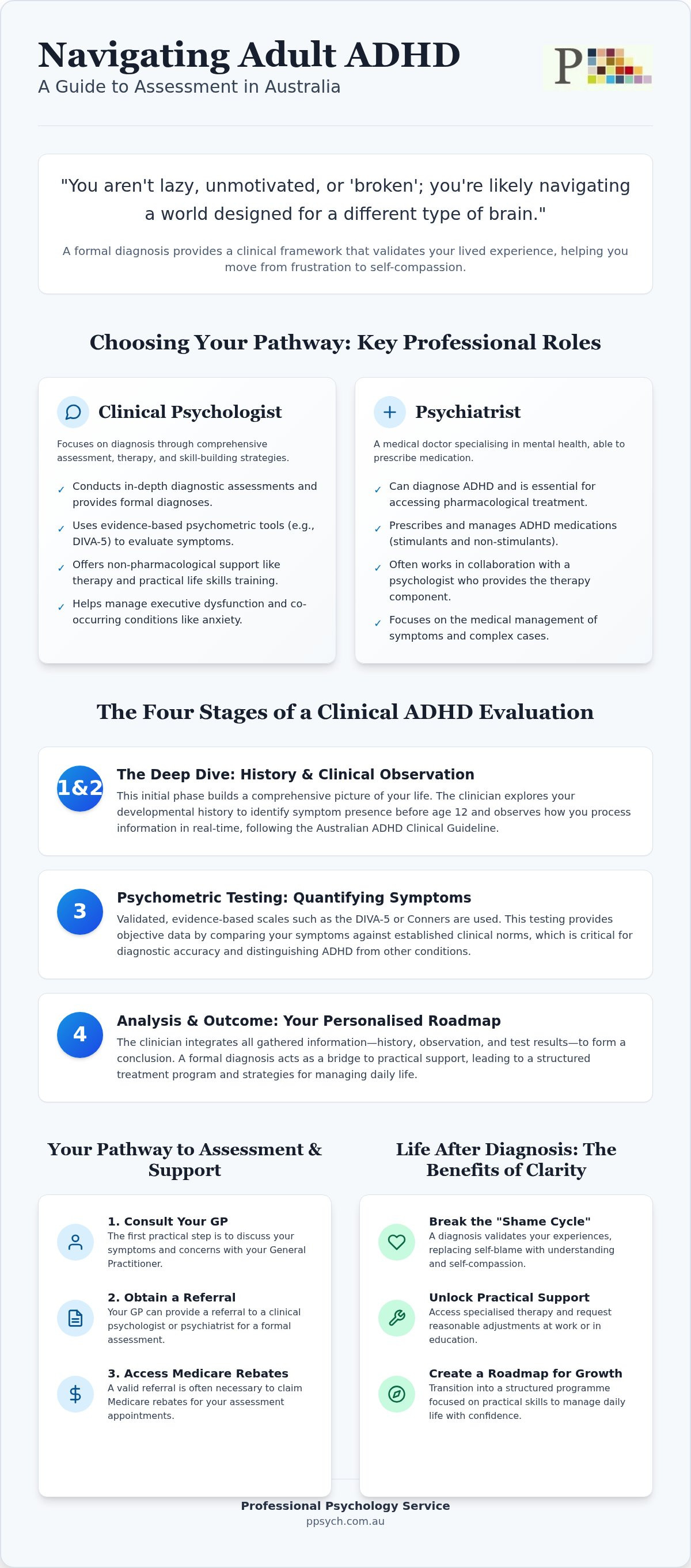
You aren't lazy, unmotivated, or "broken"; you're likely navigating a world designed for a different type of brain. For many individuals seeking an adult adhd assessment sunshine coast, the journey begins with this profound realisation that their cognitive experiences deserve a clinical explanation rather than years of self-criticism. It is incredibly draining to feel like you're constantly running uphill while others seem to move with ease, and we understand how daunting the path to a formal answer can feel.
We recognise that the Australian healthcare system can be complex, especially when you're trying to distinguish between the roles of psychologists and psychiatrists or work out how Medicare rebates apply to your care. You deserve a diagnostic process that feels safe, thorough, and validating. This expert-led guide is designed to help you move forward with clarity. We will walk you through the formal clinical pathway, explain the practicalities of the Medicare system, and show you how evidence-based support can help you finally organise your daily life and embrace your cognitive strengths.
Table of Contents
Understanding the Adult ADHD Assessment Process in Australia
A professional adult adhd assessment sunshine coast is far more than a simple tick-box exercise. It's a multi-modal clinical evaluation designed to provide a 360-degree view of your cognitive and emotional life. This process involves gathering data from multiple sources, including your developmental history, current functional challenges, and standardised psychometric testing. Unlike the brief screenings you might find online, a clinical assessment looks at the "why" behind your behaviours, not just the "what".
Self-screening tools found on social media or websites are often the first spark of curiosity for many, but they remain a starting point rather than a destination. They cannot account for the subtle nuances of neurodivergence or identify co-occurring conditions. Understanding ADHD in an adult context requires a clinician to distinguish these symptoms from other experiences, such as anxiety, depression, or complex trauma. Because these conditions often mimic or mask one another, a thorough evaluation ensures you receive an accurate clinical explanation for your experiences. This precision is what allows for the creation of a truly personalised roadmap for support.
Why Seek an Assessment in Adulthood?
Many adults spend decades trapped in a cycle of self-blame, attributing their struggles with executive function to personal failings. Seeking a formal adult adhd assessment sunshine coast is often the first step in breaking this "shame cycle". A diagnosis provides a clinical framework that validates your lived experience, helping you move from a place of frustration to one of self-compassion. Beyond emotional relief, a formal diagnosis is a practical tool. It allows you to access specialised therapy and request reasonable adjustments in the workplace or educational settings, ensuring your environment supports your unique cognitive profile rather than working against it.
The Role of Clinical Psychology in Neurodiversity
Clinical psychologists play a vital role in the diagnostic journey by utilising evidence-based frameworks to map out your cognitive strengths and difficulties. When you work with a clinician who holds doctorate-level expertise, you benefit from a deep understanding of complex diagnostic cases where ADHD might be entwined with other psychological factors. This high level of clinical authority ensures that the assessment is robust and reliable. Once the evaluation is complete, the focus shifts from diagnosis to growth. Your clinician helps you transition into a structured treatment programme, focusing on practical life skills and strategies that empower you to manage your daily life with newfound confidence and stability.
The Four Stages of a Clinical ADHD Diagnostic Evaluation
A high-quality clinical evaluation is a structured journey of discovery that moves far beyond a simple checklist. When undertaking an adult adhd assessment sunshine coast, you can expect a process that is both methodical and supportive, ensuring every aspect of your cognitive experience is considered. This evaluation typically follows a four-stage framework designed to provide the highest level of diagnostic clarity.
Stage 1 & 2: The Deep Dive into History
The process begins with an in-depth clinical interview. Because ADHD is a neurodevelopmental condition, clinicians must look back at your childhood history. We explore whether symptoms were present before the age of 12, even if they weren't formally recognised at the time. This helps us understand the trajectory of your experiences from school years through to the complexities of adult life. In adulthood, ADHD often manifests as persistent challenges with work deadlines, relationship consistency, or a constant sense of internal restlessness.
During these initial sessions, clinical observation is just as vital as the history you provide. Your clinician follows the Australian ADHD Clinical Guideline to observe how you process information, manage focus, and engage in the conversation. This stage isn't about judgment; it's about building a comprehensive picture of how your brain interacts with the world around you. If you feel ready to explore your own history with a professional, our team provides clinical psychology services tailored to these unique diagnostic needs.
Stage 3 & 4: Analysis and Outcome
The third stage involves psychometric testing. Clinicians use validated scales, such as the DIVA-5 or Conners, to quantify your symptoms and compare them against established clinical norms. To ensure the most accurate result, we also seek collateral information. This might involve looking at old school reports or, with your consent, speaking to a partner or parent who can provide a different perspective on your daily functioning. Differential diagnosis is the clinical process of ruling out other mental health conditions that may share similar symptoms with ADHD.
The final stage is the feedback session and the delivery of a formal written report. This document is a powerful tool for your future. It interprets the cross-referenced data and provides a clear diagnostic outcome that you can share with your GP or employer. This report serves as a roadmap, detailing specific recommendations for therapy and practical strategies to help you navigate your professional and personal responsibilities with greater ease.
Clinical Psychologist vs Psychiatrist: Choosing Your Pathway
One of the most common points of confusion for individuals seeking an adult adhd assessment sunshine coast is the distinction between a clinical psychologist and a psychiatrist. While both professionals play essential roles in the Australian healthcare landscape, they offer different perspectives and types of support. Understanding these roles is vital for choosing the pathway that best aligns with your personal goals and needs.
Clinical psychologists are experts in human behaviour and cognitive functioning. They focus on the "how" of your daily experience, using functional assessments to understand how ADHD impacts your work, relationships, and self-esteem. Psychiatrists are medical doctors who specialise in the biological aspects of mental health. Their primary role in the ADHD journey is often the formal diagnosis and the management of medication. In Australia, a collaborative model is frequently the most effective approach, often supported by integrated medical technology from One Health Connect. Many adults choose to see a clinical psychologist for a comprehensive diagnostic evaluation and then take that report to a psychiatrist if they wish to explore pharmacological options.
This skill-based approach is a cornerstone of clinical psychology. While medication can be a powerful tool for many, it does not inherently teach the executive function skills required to manage a busy life. By focusing on non-pharmacological management, psychologists help you build a toolkit of strategies that remain effective regardless of medical treatment.
When to See a Clinical Psychologist First
You might choose to start your journey with a clinical psychologist if your primary goal is to gain a deep, nuanced understanding of your cognitive profile. This pathway is particularly beneficial if you want to move beyond a simple label and develop practical, therapy-based tools for daily living. A psychologist can help you unpick the complex layers of your experience, especially if you are also managing co-occurring issues such as trauma and PTSD treatment. For many, ADHD doesn't exist in a vacuum; it's often intertwined with past experiences that require a gentle, expert-led approach to resolve. Starting here allows you to focus on emotional regulation and life organisation from day one.
The Role of Medication in ADHD Management
It's a common misunderstanding that a psychologist can prescribe medication. In Australia, only medical doctors, such as psychiatrists or specifically trained GPs, hold prescribing rights. However, a psychologist's report is an invaluable asset during a medication review. It provides the psychiatrist with a detailed, evidence-based map of your symptoms and functional impairments, making their diagnostic process more efficient. We often use the phrase "pills don't build skills" to describe our philosophy. Medication can lower the "noise" of ADHD, but the psychological support helps you build the structures, habits, and self-compassion needed to thrive in a neurotypical world.
Navigating Medicare Rebates and GP Referrals for Assessments
Your General Practitioner (GP) is the primary anchor for your healthcare journey. They manage the initial screening and provide the necessary referral to a specialist. When you're seeking an adult adhd assessment sunshine coast, it's helpful to book a longer "Level C" or "Level D" consultation. This gives you enough time to discuss your concerns without feeling rushed. A GP referral is required to access Medicare rebates, ensuring that professional support remains as accessible as possible.
The Mental Health Care Plan (MHCP) Explained
A Mental Health Care Plan allows you to access a specific number of rebated sessions with a clinical psychologist. Typically, this includes up to 10 sessions per calendar year. While the MHCP is often used for ongoing therapy, it also applies to the clinical hours spent during your diagnostic evaluation. It's helpful to understand that these rebated sessions can also be used for broader support, such as trauma recovery and Medicare pathways. This ensures your mental health is viewed holistically rather than in isolation. Your GP will need to lodge this plan before you can claim your first rebate.
Managing the Costs of Assessment
It's a reality of the Australian system that comprehensive assessments often involve out-of-pocket costs. A standard Medicare rebate of $145.25 is available for psychological therapy sessions with a clinical psychologist, but the total fee for an assessment covers more than just your time in the room. It includes the clinician's extensive work in scoring psychometric tests and drafting a detailed, medico-legal style report. These reports are substantial documents that provide your GP or psychiatrist with the clinical evidence needed for future treatment. They are often required by employers or educational institutions to verify the need for adjustments.
You might also find that your private health insurance offers "extras" coverage for psychology. We recommend checking with your provider to see how they can supplement your Medicare rebates. Preparing for your GP appointment by listing your functional challenges, such as difficulties at work or home, will help them understand the necessity of the referral. Having these examples ready ensures the conversation is grounded in your lived reality. If you're ready to take this step, you can book an initial consultation with our clinical team to begin the process.
Evidence-Based Support: Life After an ADHD Diagnosis
Receiving the results of your adult adhd assessment sunshine coast is often a transformative moment that marks the end of one chapter and the beginning of another. For many, it's the first time their internal struggles have been met with clinical validation rather than personal criticism. However, a diagnosis is simply the foundation. The real progress begins as you learn to navigate a world that isn't always built for your brain. This phase of the journey is about moving from "why" to "how", using evidence-based strategies to build a life that feels sustainable and fulfilling.
Cognitive Behavioural Therapy (CBT) for ADHD is quite different from traditional talk therapy. It's highly practical and specifically adapted to address executive dysfunction. Instead of only exploring feelings, we work on developing robust systems to manage time, tasks, and emotional regulation. Ongoing clinical supervision is a vital part of this process, providing you with a consistent space to refine your tools and stay on track with your goals. This methodical approach ensures that the insights gained during your assessment translate into tangible improvements in your daily life.
Building Practical Executive Function Skills
One of the most effective strategies we explore is "body doubling", which involves working in the presence of another person to increase focus and accountability. We also focus on externalising your schedule. Because an internal sense of time can be unreliable for neurodivergent individuals, using visual cues and physical planners becomes a non-negotiable part of your toolkit. It's also essential to acknowledge the emotional weight of a late-life diagnosis. You'll likely feel a profound sense of relief, but it's equally common to experience grief for the years you spent struggling without support. We provide a safe, non-judgmental space to process these complex emotions while you create a sustainable environment that works with your brain rather than against it.
Your Clinical Partner in Neurodiversity
At our centre, Dr Claire Cashman and her team are dedicated to providing a stable anchor for your ongoing growth. We believe that a thorough adult adhd assessment sunshine coast should lead naturally into a supportive, long-term partnership. Our clinicians use their doctorate-level expertise to help you refine your coping strategies through ongoing sessions, ensuring you feel empowered to manage your professional and personal responsibilities. We don't just provide a report and leave you to figure out the rest; we remain committed to your long-term resilience and mental wellbeing, often suggesting that NDIS participants seek support from quality care providers like Im with you. Book a clinical consultation to begin your assessment journey.
Your Path Toward Clarity and Confidence
Seeking an adult adhd assessment sunshine coast is a courageous step toward reclaiming your narrative. You've learned that a formal diagnosis is more than just a label; it's a clinical roadmap that validates your cognitive experiences and opens doors to rebated support through the Australian healthcare system. By understanding the distinct roles of clinical psychologists and psychiatrists, you can now navigate your diagnostic journey with certainty and purpose.
Our AHPRA registered clinical psychologists provide a compassionate, evidence-based approach to every evaluation. With expertise in medico-legal reporting and complex diagnostic cases, we ensure your results are robust and reliable. This process is about moving away from the weight of self-criticism and toward a life built on your unique cognitive strengths. You deserve a clear answer and a practical plan for the future.
In instances where these medico-legal reports are used to support your rights in a legal setting, you can check out SLKQ Lawyers for expert representation.
If you're ready to find the answers you've been searching for, book a clinical consultation for your ADHD assessment today. You don't have to navigate this path alone; our team is here to provide the clinical authority and human warmth you need to move forward with confidence.
Frequently Asked Questions
Do I need a GP referral for an adult ADHD assessment in Australia?
Yes, you need a GP referral if you intend to claim Medicare rebates for your assessment sessions. While it's possible to book a private appointment without one, a Mental Health Care Plan or a direct referral is the standard clinical pathway for accessing subsidised support. This ensures your GP is kept informed about your care and can support your broader health needs.
Can a clinical psychologist diagnose ADHD in adults?
Yes, clinical psychologists are fully qualified to provide a formal diagnosis of ADHD. We use a combination of clinical interviews and evidence-based psychometric tools to establish a clear diagnostic outcome. While we don't prescribe medication, the comprehensive reports we produce are recognised by psychiatrists and other medical professionals to guide your ongoing treatment and support.
How much does an adult ADHD assessment cost with Medicare?
The total cost of an adult adhd assessment sunshine coast depends on the complexity of the evaluation and the time required for clinical reporting. Medicare provides a rebate of $145.25 per session with a clinical psychologist when you have a valid referral. It's helpful to remember that the total fee covers the direct session time as well as the hours your clinician spends scoring tests and drafting your formal report.
What is the difference between ADHD and complex trauma?
ADHD is a neurodevelopmental condition present from childhood, while complex trauma is a physiological and emotional response to chronic stressful events. Because both can cause difficulties with focus and emotional regulation, they're often confused. Our clinicians specialise in differential diagnosis, carefully unpicking your history to ensure you receive a clinical explanation that truly fits your lived experience.
How long does the full diagnostic process typically take?
The full diagnostic process generally involves three to five clinical sessions. This steady, methodical timeframe allows for a deep dive into your developmental history, the completion of psychometric testing, and a final feedback session to discuss the results. We don't believe in rushing this process; taking the time to be thorough ensures the final diagnostic outcome is accurate and reliable.
Will an ADHD diagnosis help me at my workplace?
Yes, a formal diagnosis provides you with the clinical evidence needed to request reasonable adjustments in the workplace. Under the Disability Discrimination Act, employers are encouraged to support neurodivergent staff with practical changes like flexible deadlines or modified workspaces. Your professional report acts as a bridge, helping your employer understand how to support your productivity and wellbeing effectively. For those who manage their own firms, this might also be a prompt to explore Business Advisory services to ensure their corporate structures are optimised for their specific way of working.
Can I get medication immediately after a psychologist’s assessment?
No, you cannot receive medication directly from a psychologist as we aren't medical doctors. If you decide to explore medication, you'll need to take your psychological report to a psychiatrist for a medical review. Our detailed findings often make this next step much smoother, as the psychiatrist can use our evidence-based data to inform their own diagnostic and prescribing process.
Is it possible to have both ADHD and Autism as an adult?
Yes, it's very common for these two types of neurodivergence to co-occur, a combination sometimes called AuDHD. During your adult adhd assessment sunshine coast, our clinicians look at your cognitive profile holistically. We understand that these conditions can overlap and mask each other, so we ensure the evaluation considers all aspects of your neurodivergent experience to provide the most helpful roadmap for your future.


Comments